
Moving furniture safely requires more than strength. Sofas, wardrobes, dining tables, beds, cabinets and valuable wooden furniture can suffer scratches, dents, broken fittings or structural damage when people rush preparation or use unsuitable handling methods.
Fortunately, moving house without damaging furniture becomes much easier when you plan the route, protect each item correctly and load the removal vehicle carefully. Good preparation also protects floors, walls, doors and staircases at both properties.
Whether you plan a small flat move or a complete family relocation, this guide explains practical ways to protect furniture from preparation through to final placement. Bennett’s Removals & Storage can also provide professional support when you need help with packing, lifting, transportation or storage.
Why Furniture Gets Damaged During a House Move
Furniture often becomes damaged because movers underestimate weight, dimensions, balance or access. A sofa may clear the front door but fail to turn through a hallway. A wardrobe can lose stability when carried incorrectly. Wooden surfaces may scratch when they rub against unprotected furniture inside the vehicle.

Common Causes of Furniture Damage
Scratches, dents and broken components often result from poor wrapping, rushed lifting, loose drawers or uncontrolled movement during transport. Tight staircases and doorways create additional risks. Understanding these hazards before moving day allows you to protect vulnerable furniture and choose a safer carrying route before anyone starts lifting.
Why Planning Matters Before Moving Day
Walk through both properties and identify furniture that may cause difficulties. Consider weight, size, construction and fragility. Check whether an item needs dismantling and whether the removal vehicle can park nearby. Early planning gives you time to solve access problems instead of making risky decisions under moving-day pressure.
Step 1: Measure Furniture and Access Points
Measurements play an important role in moving house without damaging furniture. Never assume that an item will fit simply because it entered the property years ago. Previous owners may have assembled furniture inside a room or used a different access route.
Measure Furniture and the Entire Route
Measure sofas, wardrobes, beds, tables and cabinets, then measure doors, hallways, staircases, lifts and gates. Remember that turning space matters as much as doorway width. Write measurements down and compare them carefully. If furniture cannot pass safely, investigate dismantling or an alternative route before moving day.
Step 2: Empty Furniture Before Moving It
Furniture becomes heavier and less stable when drawers, cupboards and shelves still contain belongings. Loose objects can also shift suddenly while movers carry the item, creating additional pressure on joints, shelves and doors.
Remove Contents and Loose Components
Empty wardrobes, desks, cupboards and drawers before lifting them. Remove adjustable shelves and other loose components where practical. Keep small fittings in clearly labelled bags. Reducing weight makes furniture easier to control and prevents stored belongings from striking the inside of cabinets while the removal team manoeuvres them.
Keep Hardware Organised
Put screws, bolts, brackets and other fittings into separate labelled bags for each item. You can tape the sealed bag to a protected section or keep all hardware together in a clearly marked container. Taking photographs before dismantling also gives you a useful visual reference when rebuilding complicated furniture later.
Step 3: Dismantle Large Furniture Carefully
Dismantling can make bulky furniture easier to carry through small spaces. However, taking furniture apart unnecessarily can weaken older joints, damage fittings or make reassembly difficult.
Decide What Actually Needs Dismantling
Bed frames, modular wardrobes, dining tables and large desks often become easier to transport after careful dismantling. Follow manufacturer instructions where available and photograph joints before separating parts. Avoid forcing fittings that appear fragile or seized. If you feel uncertain, ask experienced movers whether dismantling offers a safer option.
Protect Individual Furniture Sections
Wrap dismantled panels individually instead of placing unprotected sections against each other. Pay special attention to polished surfaces, corners and exposed edges. Keep related sections grouped together and label them clearly. This approach makes unloading and reassembly easier while reducing the chance of panels becoming scratched or confused with other furniture.
Step 4: Protect Furniture Before Moving It
Protective wrapping creates a barrier between furniture and the hazards of moving. Choose materials according to the furniture’s surface rather than using the same wrapping method for every item.
Use Suitable Protective Materials
Furniture blankets work well around many wooden and upholstered items. Cardboard and corner protectors can shield vulnerable edges, while specialist wrapping can help secure surfaces. Avoid placing adhesive tape directly onto polished, painted or delicate finishes because residue or adhesive may damage the surface when you remove it.
Give Corners and Edges Extra Protection
Corners usually make first contact with walls, doors and other furniture when space becomes tight. Add extra protection around table corners, cabinet edges and wooden frames. Make sure protective materials remain secure without pressing too tightly against delicate finishes. Well-protected corners can prevent many common scratches, chips and dents.
Step 5: Secure Drawers, Doors and Fragile Parts
Doors, drawers and removable shelves can swing or slide while movers carry furniture. Preventing uncontrolled movement protects both the item and the people handling it.
Remove or Secure Moving Components
Remove drawers when doing so safely reduces weight. Secure cabinet doors using appropriate non-damaging methods and transport glass shelves separately. Wrap mirrors, glass panels and removable decorative elements individually. Never rely on ordinary adhesive tape directly against finished surfaces. Test any securing method before the furniture leaves the room.

Step 6: Use Safe Furniture Lifting Techniques
Heavy furniture can injure people as easily as it can damage property. Safe lifting requires planning, communication and enough people to control the item throughout the route.
Plan Every Lift Before You Start
Decide where each person will stand, which direction the furniture will move and where you can safely stop if necessary. Keep your back in a stable position, lift primarily through your legs and avoid twisting while carrying weight. Communicate clearly whenever the team approaches stairs, corners or doorways.
Use Suitable Moving Equipment
Furniture dollies, lifting straps, ramps and other moving equipment can reduce unnecessary manual effort when used correctly. Equipment must suit both the furniture and the property. Never improvise with unstable platforms or unsuitable lifting devices. Professional movers can assess heavy or awkward items and choose an appropriate handling method.
Step 7: Protect Floors, Walls and Doorways
Moving house without damaging furniture also means protecting both properties. Furniture can scratch wooden flooring, chip paintwork and damage door frames while movers try to navigate restricted spaces.
Prepare a Clear and Protected Route
Remove rugs, boxes, lamps, pictures and small furniture from carrying routes before movers begin. Protect delicate flooring and vulnerable corners with suitable materials. Hold doors open securely where possible. A clear route gives movers more space to control large objects and reduces the chance of sudden collisions.
Step 8: Load the Removal Vehicle Correctly
Furniture can suffer damage even after successful loading if the vehicle has not been organised properly. Movement, vibration and direct contact between surfaces can cause scratches or structural stress during the journey.
Secure Furniture Inside the Vehicle
Position heavy furniture securely and prevent pieces from shifting during transport. Use suitable restraints where required and keep protective barriers between polished surfaces. Never place heavy boxes on delicate furniture. Experienced movers plan vehicle loading according to weight, dimensions, fragility and the order in which items need unloading.
Consider the Unloading Order
Think about which furniture you need first at the new property. Large items should travel in a position that allows the team to unload them without repeatedly moving other possessions. Giving movers a clear room plan also prevents unnecessary handling once furniture enters the new home, reducing both damage risk and workload.
Practical Tips for Moving House Without Damaging Furniture
Small preparations can create substantial improvements in safety. Photograph valuable furniture before the move, label dismantled components and allow enough time for careful handling. Never turn a complex move into a race.
Avoid Common Moving Mistakes
Do not drag heavy furniture across floors, overload drawers or leave loose components attached. Avoid stacking heavy belongings on delicate surfaces. Never force furniture through an opening when measurements show insufficient clearance. A few extra minutes spent adjusting the plan can prevent expensive damage to furniture, floors and walls.
Photograph Valuable Furniture
Take clear photographs of antiques, high-value furniture and delicate finishes before packing. Photos help you remember how complicated furniture fits together and provide a record of its pre-move condition. Capture close-up details of decorative elements, glass sections and existing marks so you can distinguish older wear from new issues.
When Should You Hire Professional Movers?
DIY moving can work for lighter items and straightforward properties, but some furniture creates unnecessary risks without experience, equipment and additional people.
Get Professional Help for Difficult Items
Consider professional movers when you have heavy wardrobes, large sofas, solid-wood furniture, antiques, glass cabinets, pianos or several flights of stairs. Narrow entrances and restricted parking can also justify professional support. Experienced teams can assess access, choose suitable equipment and coordinate difficult lifts more safely.
Why Choose Bennett’s Removals & Storage?
A reliable removal team should understand that furniture represents both financial and personal value. Careful planning matters as much as transportation.
Practical Support Throughout Your Move
Bennett’s Removals & Storage can support customers with household removals, furniture handling, packing and storage according to individual requirements. Discuss bulky furniture, delicate possessions, stairs and difficult access before booking. Providing detailed information gives the moving team an opportunity to prepare suitable resources and create an organised moving plan.
Why Customers Trust Professional Removal Support
Trust develops through communication, careful handling and realistic expectations. Customers should know what the moving service includes and how the team intends to manage difficult belongings.
Look for Experience and Clear Communication
Before choosing a company, review genuine customer feedback, service information and quotation details. Explain valuable or difficult furniture and ask how the team will protect it. A professional mover should answer practical questions clearly and discuss potential access challenges before moving day instead of discovering important problems during collection.
Frequently Asked Questions
1. How Can I Protect Furniture When Moving House?
Empty furniture first, dismantle suitable large pieces and wrap vulnerable surfaces with furniture blankets, cardboard or other appropriate materials. Protect corners carefully and remove glass shelves where possible. Measure access before carrying anything. Inside the removal vehicle, separate delicate surfaces and secure furniture so movement cannot cause scratches or impact damage.
2. What Is the Safest Way to Move Heavy Furniture?
Plan the route before lifting and make sure enough people can control the item safely. Clear obstacles and use suitable moving equipment when appropriate. Avoid twisting under load or carrying extremely heavy furniture alone. Large, awkward or valuable pieces often justify professional help because experienced movers can assess safer handling methods.
3. Should Furniture Be Dismantled Before Moving?
Dismantling often helps with beds, wardrobes, tables and modular furniture when complete items cannot pass safely through access points. However, delicate or antique furniture may suffer damage from unnecessary disassembly. Follow manufacturer instructions where possible, photograph connections and label every fitting. Ask professional movers for advice when you feel unsure.
4. How Do I Stop Furniture From Getting Scratched During Transport?
Wrap vulnerable surfaces and corners before loading. Keep polished furniture separated from hard objects and avoid direct wood-to-wood contact where scratching could occur. Secure furniture so it cannot move during the journey. Do not place heavy boxes on delicate pieces. Good vehicle organisation matters just as much as protective wrapping.
5. Can Professional Movers Help Prevent Furniture Damage?
Yes. Experienced movers can assess furniture size, weight, access and handling requirements before moving it. They may use protective materials, moving equipment and organised vehicle-loading methods to reduce risk. Customers should still provide accurate information about difficult items and access because successful protection starts with proper preparation before moving day.
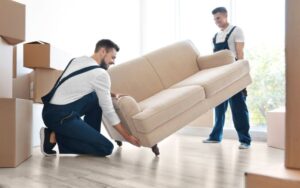
Final Thoughts on Moving House Without Damaging Furniture
Successful moving house without damaging furniture depends on preparation, patience and appropriate handling. Measure furniture and access routes before moving day, empty drawers and cupboards, dismantle suitable items and protect vulnerable surfaces carefully.
Do not overlook floors, walls and door frames. Clearing and protecting the carrying route gives movers more room to work and reduces unnecessary contact with the property.
Vehicle loading deserves equal attention. Furniture that looks perfectly protected can still become damaged if it shifts, rubs or supports excessive weight during transport.
Most importantly, recognise when a job needs professional support. Very heavy furniture, fragile antiques, narrow staircases and awkward access create risks that experience and suitable equipment can help manage.
Bennett’s Removals & Storage can support customers who want professional assistance with moving, furniture handling, packing or storage. Explain your belongings and access requirements clearly when requesting a quotation so the team can plan appropriately.
With careful preparation from the first measurement through to final placement, you can protect your belongings, reduce moving-day problems and make your relocation safer, more organised and easier to manage.
 Email us: info@bennettsremovals.com
 Visit Bennett’s Removals & Storage
Social Media: Facebook, LinkedIn, Twitter, Instagram.
Experience the top services from Bennett’s Removals & Storage in your area: