
Moving home or office is a thrilling milestone, yet it comes with one clear challenge: making sure your belongings reach their new destination safely. Every item you own—whether it’s a delicate wine glass, a treasured photo frame, or a hefty sofa—deserves the right level of protection. The choice of packing materials often makes the difference between a smooth move and one full of broken or damaged items.
At Bennett’s Removals & Storage, we’ve handled countless moves and know from experience that investing in the right packing supplies is never wasted. This guide will help you discover which packing materials work the best, how to use them effectively, and why they matter so much for stress-free relocation.
Why Choosing the Right Packing Materials Matters
Packing isn’t just about putting things into boxes—it’s about ensuring those items are shielded from bumps, jolts, and pressure during transit. Roads are uneven, vans shake, and boxes stack on top of one another. Without the right materials, even sturdy items risk damage.
Good materials:
-
Reduce the chance of breakage or scratches.
-
Make lifting and stacking easier.
-
Save money by avoiding costly replacements.
-
Offer peace of mind knowing everything is secure.
From fragile antiques to bulky appliances, selecting the best packing materials is one of the smartest steps you can take.
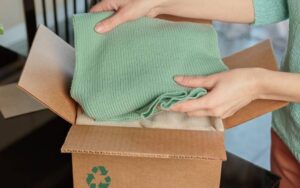
Cardboard Boxes: The Foundation of Any Move
Every move starts with boxes. Cardboard boxes are versatile, affordable, and easy to source. They come in various sizes to suit different belongings:
-
Small boxes are ideal for heavy items like books or glassware.
-
Medium boxes work well for clothes, kitchenware, and general household goods.
-
Large boxes are best for lightweight items like bedding or cushions.
For heavier loads, double-walled boxes provide extra strength. High-quality boxes reduce the risk of collapsing when stacked, keeping your items safe. Best of all, cardboard is recyclable, making it an eco-friendly choice.
Bubble Wrap: Ultimate Protection for Fragile Items
If there’s one packing material that movers swear by, it’s bubble wrap. Its cushioned air pockets absorb shocks and vibrations, protecting delicate items from impact.
-
Wrap glassware, ceramics, and electronics individually.
-
Secure the wrap with tape so it doesn’t unravel.
-
Use biodegradable bubble wrap if you’re eco-conscious—it’s just as effective but kinder to the environment.
Bubble wrap may feel like an indulgence, but when you see fragile items arrive intact, you’ll know it was worth every penny.
Packing Paper: Versatile and Eco-Friendly
Unlike newspaper, which can leave inky smudges, clean packing paper offers safe and mess-free wrapping. It’s lightweight and flexible, making it suitable for:
-
Wrapping dishes and ornaments.
-
Crumpling to fill voids inside boxes.
-
Layering around items for extra cushioning.
Packing paper is budget-friendly, recyclable, and adds a surprising amount of protection. For fragile items, use multiple sheets per item.
Foam Pouches and Corner Protectors
Not everything fits neatly into paper or bubble wrap. That’s where foam products shine:
-
Foam pouches slip easily over small valuables like picture frames, phones, or ornaments.
-
Foam corner protectors safeguard furniture edges, mirrors, and artwork.
They’re reusable, lightweight, and offer custom protection where needed most. These materials are perfect for anyone moving expensive or sentimental pieces.
Packing Tape: Securing Your Boxes
A strong box is useless if the bottom falls out mid-move. That’s why packing tape is essential. Choose:
-
Heavy-duty tape with strong adhesive for maximum hold.
-
Clear or brown tape designed specifically for moving boxes.
-
A tape dispenser to speed up the process and reduce frustration.
Always add an extra strip along the bottom seam of heavy boxes. Flimsy tape risks disaster.
Stretch Wrap for Furniture and Large Items
Furniture presents unique packing challenges. Stretch wrap solves several problems at once:
-
Keeps drawers and cabinet doors shut.
-
Shields protect from scratches and dust.
-
Bundles awkward items together for easier lifting.
For heavier furniture, thicker stretch wrap provides durability. It’s especially useful for protecting polished wood or upholstered furniture.
Packing Peanuts: Filling the Gaps
While not everyone’s favourite, packing peanuts are great for filling empty spaces in boxes—their lightweight structure cushions items by preventing movement.
Eco-conscious movers should opt for biodegradable peanuts made from natural starch. They work just as well but dissolve in water, leaving no environmental footprint.
Be mindful, though—peanuts can be messy and spill easily. Use only when necessary and seal boxes tightly.
Moving Blankets: Heavy-Duty Protection
For large items like furniture, appliances, or TVs, moving blankets are invaluable. They:
-
Provide thick, padded protection against knocks.
-
Prevent scratches on wood, glass, or metal.
-
Absorb shock during transport.
Reusable and durable, moving blankets are worth keeping for future moves or storage needs. For added security, pair them with stretch wrap or tape.
Tips for Choosing the Best Packing Materials
-
Assess Your Needs – Make a list of items you’re moving. Fragile belongings need more cushioning, while sturdy ones demand strong boxes.
-
Prioritise Quality – Cheap tape or flimsy boxes may save money upfront, but risk damage later.
-
Go Eco-Friendly – Choose recyclable or biodegradable options when possible.
-
Label Everything – Clear labelling ensures fragile items get extra care.
-
Buy in Bulk – Running out mid-packing is stressful. Buying in bulk saves money and hassle.
How to Pack Efficiently with the Best Materials
-
Gather all materials before starting.
-
Sort belongings by type and fragility.
-
Wrap delicate items individually.
-
Place heavier items at the bottom of boxes.
-
Fill gaps with peanuts or paper.
-
Seal boxes tightly with tape.
-
Label each box with contents and room destination.
Following these steps not only protects belongings but also makes unpacking much smoother.
Packing Fragile Items Safely
Fragile items demand extra patience and care:
-
Use small boxes to reduce movement.
-
Wrap each item in bubble wrap or packing paper.
-
Fill gaps with peanuts or crumpled paper.
-
Double-box expensive items, adding padding between layers.
-
Clearly mark as “Fragile” for movers.
Taking the extra step prevents heartbreak later.
Protecting Furniture During a Move
Furniture is often the most expensive investment in a home, so it deserves maximum care:
-
Wrap in moving blankets or stretch wrap.
-
Use corner protectors for tables and cabinets.
-
Disassemble large pieces like bed frames for easier handling.
-
Secure drawers and doors with stretch wrap or tape.
These measures minimise risk during loading, transport, and unloading.

Why Choose Bennett’s Removals & Storage?
At Bennett’s Removals & Storage, we don’t just move boxes—we move memories, investments, and treasured belongings. Our team understands the importance of quality packing materials and uses only the best to protect your possessions.
-
We provide tailored packing solutions for all items, big or small.
-
Our experts use professional-grade materials not always available on the high street.
-
We offer secure storage options for items you don’t want to move straight away.
Choosing us means choosing peace of mind, knowing your belongings are in safe hands.
FAQs About Packing Materials: Which packing materials work the best?
1. Which packing materials work the best for fragile items?
Bubble wrap, packing paper, and foam pouches are the top choices.
2. Are eco-friendly packing materials effective?
Yes, biodegradable bubble wrap and recyclable paper offer the same protection.
3. How much packing material do I need?
It depends on your belongings, but always buy extra for fragile or bulky items.
4. Can I reuse packing materials?
Absolutely—boxes, foam pouches, and blankets can all be reused if in good condition.
5. Where can I buy quality packing materials?
From trusted suppliers or directly through Bennett’s Removals & Storage.
Conclusion: Which packing materials work the best?
The question “Which packing materials work the best?” has a clear answer: those that protect your belongings while making your move smoother. From sturdy cardboard boxes and bubble wrap to eco-friendly paper and moving blankets, every material plays a role in safeguarding your possessions.
At Bennett’s Removals & Storage, we combine the right materials with professional expertise to make sure your move is safe and stress-free. Whether you need supplies, packing services, or full moving support, we’re here to help.
Ready to move with confidence? Contact us today for a free quote, and let’s make your move seamless.
 Call us today at 0114 3520552
 Email us at info@bennettsremovals.com
 Visit Bennett’s Removals & Storage
Social Media: Facebook, LinkedIn, Twitter, Instagram.
Experience the top services from Bennett’s Removals & Storage in your area: