
Storing seasonal items can seem like a daunting task, but with the right approach, it becomes manageable and efficient. Whether it’s winter sports gear, summer holiday decorations, or seasonal clothing, knowing how to organise and store these items properly is key to keeping your home clutter-free. Bennett’s Removals & Storage is here to guide you through the process, offering practical tips to make storing your seasonal belongings a breeze. From choosing the right containers to labelling and optimising space, this guide covers everything you need to know for effective seasonal storage.

Preparing for Seasonal Storage
Before you begin storing your seasonal items, take some time to prepare. Start by gathering all the items you plan to store. This could include everything from holiday decorations to off-season clothing. Lay them out so you can see exactly what you have. This helps you identify the right storage solutions and ensures nothing is forgotten.
Sorting and Decluttering
Sort your items into categories. For instance, group all Christmas decorations together and separate summer clothing from winter gear. This makes it easier to find items when you need them and helps avoid mixing up seasonal items. Decluttering before you store also helps reduce the number of things you need to store, saving space.
Choosing the Right Storage Containers
Selecting the right containers is crucial for protecting your items. Opt for sturdy, stackable bins with tight-fitting lids to keep dust and pests out. Clear plastic containers are a great choice because they allow you to see the contents without opening them. Label each container clearly to identify its contents easily.
Labeling Containers
Proper labelling can save you a lot of time when you’re searching for specific items. Use a permanent marker or printable labels to clearly mark each container with its contents and the season it’s associated with. This way, you won’t have to open every box to find what you need.
Protecting Delicate Items
Some seasonal items, like decorations or clothing, are more delicate and require extra care. Wrap fragile items in bubble wrap or packing paper to prevent breakage. For clothing, consider using vacuum-sealed bags to save space and protect against moisture and pests.
Storing Seasonal Clothing
Seasonal clothing, such as winter coats or summer shorts, should be cleaned before storage. Dirt and stains can become permanent if left untreated. Store clothing in breathable garment bags or vacuum-sealed bags to protect against dust and damage. Ensure that clothes are completely dry before packing to prevent mould and mildew.
Storing Holiday Decorations
Holiday decorations, like Christmas ornaments or Halloween costumes, often include delicate and varied items. Use compartmentalised boxes for small decorations and wrap larger items in tissue paper. Make sure to label the boxes with the specific holiday to make it easy to find when the season comes around again.
Organising Storage Space
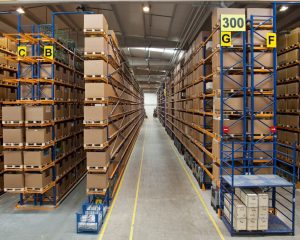
Organise your storage space to make it easy to access your seasonal items. Place frequently used items towards the top or front of the storage area. Less frequently used items can go towards the back. If you’re using a storage unit, consider shelving units to maximise vertical space.
Using Vacuum-Sealed Bags
Vacuum-sealed bags are excellent for storing clothing and bedding. They compress the items, saving space and reducing the risk of moisture damage. Simply pack your items into the bag, seal it, and use a vacuum to remove the air. This method is especially useful for bulky items that take up a lot of space.
Climate Control for Storage
Consider the climate in your storage area. Extreme temperatures and humidity can damage your items. If you’re using a storage unit, choose one with climate control if possible. For home storage, avoid placing items in damp or unheated areas like basements or attics.
Rotating Seasonal Items
If you frequently switch between different seasonal items, consider a rotating system. Keep items for the current season at eye level or in an easily accessible location. When the season changes, rotate the items to ensure everything is used and stored appropriately.
Storing Outdoor Gear
Outdoor gear, such as camping equipment or garden tools, requires special attention. Clean all gear before storing to remove dirt and debris. Dry completely to prevent rust or mould. Store items in waterproof containers or bags to protect against moisture.
Preserving Fragile Decorations
Fragile decorations, like glass ornaments or porcelain figurines, need extra care. Wrap them in bubble wrap or tissue paper and place them in a padded box. For extra protection, use foam peanuts or padding around the items inside the box.
Avoiding Common Mistakes
Avoid common mistakes like overpacking containers, which can lead to damaged items. Also, steer clear of using cardboard boxes for long-term storage, as they can attract pests and are not as durable as plastic bins. Ensure that all items are completely dry before storing to prevent mould and mildew.
Storing Electronics and Batteries
If you have seasonal electronics, such as holiday lights or outdoor gadgets, remove the batteries before storing them. Batteries can leak over time and damage electronics. Store electronics in their original boxes or protective cases to keep them safe and dust-free.
Storing Sports Equipment
Sports equipment, such as skis or tennis rackets, should be cleaned and dried before storage. For skis, consider storing them in a padded bag to prevent damage. Hang or place equipment in a cool, dry area to avoid warping or deterioration.
Using Under-Bed Storage
Under-bed storage is a great option for seasonal items that you use less frequently. Use shallow, rolling bins to store items like holiday decorations or off-season clothing. This keeps them out of the way but easily accessible when needed.
Creating a Seasonal Inventory
Keeping an inventory of your seasonal items can help you stay organised. Create a simple list or use a spreadsheet to track what you have stored. This can be especially useful if you’re managing multiple storage areas or units.
Storing Items in the Attic
If you’re storing items in the attic, ensure that the space is well-ventilated and insulated. Extreme temperatures can damage your belongings, so use containers that offer protection against temperature fluctuations. Consider using attic-specific storage solutions like slanted bins.

Protecting Against Pests
Pests can be a problem in long-term storage. Use pest repellents or traps to keep insects away from your stored items. Regularly check your storage area for signs of pests and take action immediately if you notice any issues.
Storing Items in the Garage
When storing items in the garage, use waterproof and pest-proof containers. Garages can be subject to temperature fluctuations and moisture, so choose bins that offer protection. Keep items elevated off the ground to avoid water damage.
Keeping Seasonal Items Accessible
Ensure that seasonal items are stored in a way that allows for easy access. Avoid placing frequently used items at the bottom of stacked containers. Use clear bins and label them effectively to make retrieval quick and straightforward.
Conclusion
Storing seasonal items efficiently can transform a cluttered space into an organised, functional area. With the right containers, careful organisation, and a bit of planning, you can keep your home tidy and your belongings in top condition. Bennett’s Removals & Storage is here to help you with all your storage needs, ensuring that your seasonal items are stored safely and are easy to find when the season comes around again. Happy storing!