
Specialist Piano Movers Near Me: Safe and Professional Piano Removal
Searching for specialist piano movers near me usually means you need more than a standard furniture removal service. A piano combines considerable weight, awkward dimensions and delicate internal components. Poor handling can damage the instrument, surrounding property or flooring and can also create serious lifting risks.
Professional piano movers plan the entire journey before anyone starts lifting. They consider the piano type, access route, stairs, flooring, parking, loading position and destination. This preparation helps reduce avoidable problems and allows the team to select suitable handling equipment.
Upright pianos, baby grands and larger grand pianos can require different moving methods. The right approach also depends on whether the piano sits on the ground floor, upstairs, in a basement or inside a property with narrow access.
Bennett’s Removals & Storage can support customers who need organised piano transportation as part of a residential or specialist move. Before booking, customers should provide accurate information about the piano, collection address, destination and access conditions so the moving plan reflects the actual job.

Why Piano Moving Requires Specialist Care
A piano does not behave like ordinary household furniture. Its concentrated weight, rigid structure and sensitive internal components make control particularly important during lifting and transport.
Piano Weight Creates Handling Challenges
Many pianos weigh significantly more than normal household furniture. Their weight can also sit unevenly across the instrument, making turning and lifting difficult. Movers need enough people, suitable equipment and a clear route so they can maintain control without placing excessive pressure on themselves or the piano.
Internal Components Need Protection
A piano contains strings, keys, pedals, hammers and other precision components. Sudden impact or excessive movement can affect the instrument even when the outside appears undamaged. Careful handling, controlled loading and secure vehicle positioning help reduce unnecessary shocks during the journey.
The Property Needs Protection Too
Walls, door frames, staircases and flooring can suffer damage if a heavy instrument becomes difficult to control. Professional movers should consider the complete route before starting. Protective materials and careful manoeuvring can help reduce contact with vulnerable surfaces while creating a safer working area.
What Specialist Piano Movers Near Me Can Do
A specialist piano moving service can manage much more than transportation. The process normally starts with assessment and ends with careful positioning at the destination.
Pre-Move Assessment
Movers may ask about piano type, approximate dimensions, floor level, stairs, access width and parking. Photographs can also help them understand difficult routes. A good assessment allows the team to identify likely challenges before moving day rather than discovering them after lifting starts.
Route Planning
The team should check how the piano will leave the property and enter the destination. They may consider door widths, corridor turns, staircases, lifts, gates, paths and external steps. A practical route plan helps reduce unnecessary handling and last-minute changes.
Protective Preparation
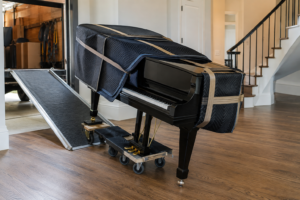
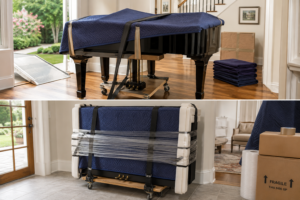
Moving blankets, padded covers, corner protection and other suitable materials can help protect the piano’s exterior. The exact approach should match the instrument and access conditions. Movers should also consider whether surrounding walls or floors need protection during the movement.
Controlled Loading and Transport
Once the piano reaches the vehicle, movers need to position and secure it carefully. Proper restraint helps limit unwanted movement while the vehicle travels. Other items inside the vehicle should not place damaging pressure on the piano during the journey.
Step-by-Step Piano Moving Process
A structured process helps everyone understand what should happen from the first assessment to final placement.
Step 1: Identify the Piano Type
Start by confirming whether you have an upright, baby grand, grand or another type of piano. Share approximate measurements and photographs where useful. The instrument’s dimensions can affect labour requirements, moving equipment, vehicle space and access planning.
Step 2: Check Access at Both Properties
Measure narrow doorways and inspect staircases, landings, halls, lifts and outdoor paths. Tell the moving company about the floor level and any restricted access. Repeat this process at the delivery property so the team can plan both ends of the move.
Step 3: Clear the Route
Remove boxes, furniture, rugs, ornaments and other obstacles. Make sure doors can open fully and gates remain accessible. A clear route gives movers more room to control the piano and reduces the chance of someone tripping while carrying or guiding a heavy instrument.
Step 4: Protect the Piano
Movers should protect exposed surfaces and vulnerable areas before movement begins. Customers should avoid applying unsuitable adhesive materials directly to polished or delicate surfaces. If the piano has existing damage or unusual features, mention these details before the team starts.
Step 5: Move and Load Carefully
The team should maintain clear communication while lifting and manoeuvring the instrument. Once inside the vehicle, the piano should sit in a stable position with suitable restraint. The surrounding load should also remain organised so other belongings cannot shift against the instrument.
Step 6: Position the Piano at the Destination
Decide where you want the piano before delivery, whenever possible. Clear the route and final position in advance. This preparation reduces unnecessary repositioning after the instrument enters the room and helps the movers complete the final stage efficiently.
What Affects the Cost of Piano Moving?
Piano removal costs vary because every property and instrument creates different requirements. A simple quotation based only on mileage may not reflect the actual work involved.
Piano Size and Type
A small upright may require less vehicle space and handling time than a grand piano. Larger instruments can need extra movers, equipment and preparation. Customers should provide accurate information instead of simply requesting a general piano-moving price.
Stairs and Restricted Access
Stairs, narrow corners and limited landings can increase the complexity of a move. Ground-floor access usually creates fewer challenges. Movers may need additional time or labour when the route includes multiple flights, tight turns or difficult outdoor steps.
Distance and Journey Time
Longer distances can affect fuel, driver time and overall transport costs. The final price may also depend on whether the piano forms part of a larger household move or travels as a separate specialist job.
Parking Conditions
A vehicle that can park close to the property can simplify collection. Restricted parking, busy roads or long carrying distances may increase the amount of handling involved. Tell the mover about these conditions before requesting a final quotation.
Tips for a Safer Piano Move
Good preparation can make moving day easier even when you hire professional movers.
Measure Access Early
Measure doorways, hallways and staircases before the move. Share details about tight corners and floor level. This information can help the removal company determine whether the planned route appears suitable and whether the move needs additional preparation.
Keep the Working Area Clear
Keep children, pets and unnecessary people away from the moving route. Piano handling requires concentration and space. Avoid attempting to help unless the movers specifically ask you to do so.
Protect Floors and Surrounding Areas
If you have delicate flooring, mention it before moving day. The movers can then consider suitable protective measures. Remove loose rugs and anything that could slide or create a trip hazard during the move.
Avoid Last-Minute Changes
Do not introduce extra stairs, different access points or additional large items without telling the provider. Changes can affect labour, timing and equipment. Notify the company as soon as possible if your circumstances change.
Why You Should Avoid Moving a Piano Yourself
DIY piano moving may appear cheaper, but it can create considerable risks.
Injury Risk
Pianos can become difficult to control once they start moving. Improvised lifting can place substantial strain on backs, hands and legs. Stairs and narrow areas increase the danger because there may be little room to correct a mistake.
Instrument Damage
A piano can suffer scratches, chipped edges or internal shock from poor handling. Heavy lifting equipment or straps can also cause damage when people position them incorrectly. Professional planning reduces the need for improvised methods.
Property Damage
A heavy piano can damage floors, banisters, walls and door frames if it slips or turns unexpectedly. These repairs can add a high cost to what initially looked like a cheaper DIY move.
Piano Storage During a Move
Sometimes the collection and delivery dates do not match. Temporary storage can help bridge the gap between properties.
When Piano Storage May Help
Storage can suit customers waiting for completion, renovating a property or moving into temporary accommodation. Discuss the expected storage duration before collection so the removal provider can explain available options and relevant conditions.
Ask About Storage Conditions
Pianos can react to environmental changes, so customers should ask about storage conditions, handling arrangements and any restrictions that apply. If the piano has significant financial or sentimental value, discuss insurance and protection arrangements before placing it into storage.
How to Choose Specialist Piano Movers Near Me
When comparing specialist piano movers near me, look beyond price. Service quality depends on planning, communication and suitability for the actual move.
Ask About Relevant Experience
Ask whether the provider regularly handles pianos or other heavy specialist items. Describe your piano and property rather than assuming every move follows the same process. Relevant questions from the mover can indicate a more considered approach.
Check Customer Feedback
Read current customer reviews and look for consistent comments about communication, punctuality and careful handling. Where possible, focus on reviews involving pianos, difficult access or specialist removals rather than unrelated moving jobs.
Request a Detailed Quote
A useful quotation should reflect piano type, access, distance and additional requirements. Ask what the price includes and whether stairs, waiting time or additional labour could affect the final amount. Comparing complete quotes gives a better picture of overall value.
Confirm Insurance and Responsibilities
Ask what insurance arrangements apply and whether exclusions exist for specialist or high-value items. Customers should understand the division of responsibility before moving day rather than assuming every circumstance receives identical cover.
Why Consider Bennett’s Removals & Storage?
Customers looking for piano moving support need a provider that takes access, planning and communication seriously.
Individual Move Planning
Bennett’s Removals & Storage can assess each relocation according to the instrument, property and route. Customers should provide detailed information about the piano and both locations so the team can understand the practical requirements before the move starts.
Removal and Storage Support
Customers who need temporary storage or wider household moving assistance can discuss these requirements alongside piano transportation. Coordinating services through one provider can simplify communication when a piano forms part of a larger move.
Clear Communication Builds Trust
Trust develops when customers understand the quotation, moving process and expectations. A professional provider should explain what information it needs and how it plans to approach difficult access. Customers should also review current service details and terms before booking.
Frequently Asked Questions
1. Can Specialist Piano Movers Move an Upright Piano?
Yes. Professional movers can transport upright pianos when access allows a safe moving route. The team should assess dimensions, floor level, doors, stairs and parking before collection. Accurate information helps movers plan labour, protection and equipment according to the actual property.
2. Can a Piano Be Moved Upstairs?
A piano may move upstairs when the staircase provides sufficient space and a practical route. Narrow landings, tight turns and restricted headroom can complicate the move. Provide photographs and measurements before booking so the movers can assess the staircase properly.
3. Should I Move My Piano Myself?
DIY piano moving can create risks for people, the instrument and property. Pianos can become difficult to control because of their weight and dimensions. Professional movers can plan the route and use appropriate handling methods, which usually provides a safer option for complex moves.
4. How Should I Prepare for Piano Movers?
Clear the route, remove loose rugs and obstacles and confirm access at both properties. Tell the company about stairs, narrow doors, lifts, parking restrictions or uneven paths. Keep pets and children away from the working area and decide the final piano position before delivery.
5. How Do I Find Specialist Piano Movers Near Me?
Look for providers that clearly discuss piano or specialist-item moving. Compare customer feedback, quotations, insurance arrangements and communication. Explain your piano type and access requirements in detail. A provider that asks relevant questions before quoting can often plan the move more accurately.
6. Does a Piano Need Tuning After a Move?
Movement and environmental changes can sometimes affect tuning. Many owners allow the piano to settle in the new environment before arranging tuning. If you notice changes in sound or have concerns about the instrument, consult a qualified piano technician for advice.
Conclusion
Finding specialist piano movers near me requires more than choosing the nearest or cheapest removal company. A successful piano move depends on accurate assessment, controlled handling, suitable protection and careful transportation.
Start by identifying the piano type and checking access at both properties. Measure narrow areas, clear the moving route and tell the provider about stairs, parking or other restrictions before moving day.
When comparing movers, review experience, current customer feedback, quotation details and relevant insurance arrangements. Ask how the company plans to manage your specific piano rather than accepting vague assurances.
Bennett’s Removals & Storage can provide an option for customers who need structured piano transportation, wider removal support or temporary storage. Discussing the instrument, access and destination in advance helps create a moving plan that reflects the real requirements of the job.
With careful preparation and professional support, a piano relocation can become safer, more controlled and easier to manage from collection through to final positioning.
 Email us: info@bennettsremovals.com
 Visit Bennett’s Removals & Storage
Social Media: Facebook, LinkedIn, Twitter, Instagram.
Experience the top services from Bennett’s Removals & Storage in your area: